Best Hearing Aids for Children and First-Time Wearers
There’s something about growing up in the Finger Lakes that revolves
We’ve relocated our Pittsford office to 40 Grove Street, Building A Learn More

By: John R. Salisbury, Au.D | August 24, 2026
There’s something about growing up in the Finger Lakes that revolves around sound. Think school concerts and pep bands, afternoons at the lake with friends calling to each other across the water and busy festivals downtown.
For kids, hearing isn’t just one sense among many. It’s how they pick up language, follow what’s happening in the classroom and take part in conversations with family and friends.
When a child needs hearing aids, parents want to make the right choice. With so many options available, deciding where to start isn’t always simple. The same goes for anyone getting devices for the first time, at any age.
A good first hearing aid doesn’t have to be the most advanced device available. Durability, ease of use and comfort all deserve consideration, along with whether they can accommodate changing needs.
Hearing loss can be easy to miss because it doesn’t always affect every sound equally. A child may hear voices but miss certain speech sounds, which can make their responses seem inconsistent.
Adults with gradual hearing loss may have spent years hearing less detail without realizing how much has changed. When hearing aids help them hear sounds they haven’t heard in a while, some of them may seem unfamiliar at first.
Children and adults also describe their experiences differently. A child may not know how to explain that a hearing aid sounds strange or isn’t working correctly.
Parents and teachers may instead notice changes in behavior. Adults can usually describe what they’re hearing, but they may need time to decide whether a sound is unfamiliar or needs an adjustment.
A child won’t always tell you that certain sounds are difficult to hear, especially if that’s how hearing has always seemed to them.
Some behaviors can give parents a reason to talk with an audiologist about whether hearing devices may be appropriate:
Older children and teens may also wear receiver-in-canal or other styles when their ear size and needs allow it. Adults getting them for the first time usually have several styles to consider.
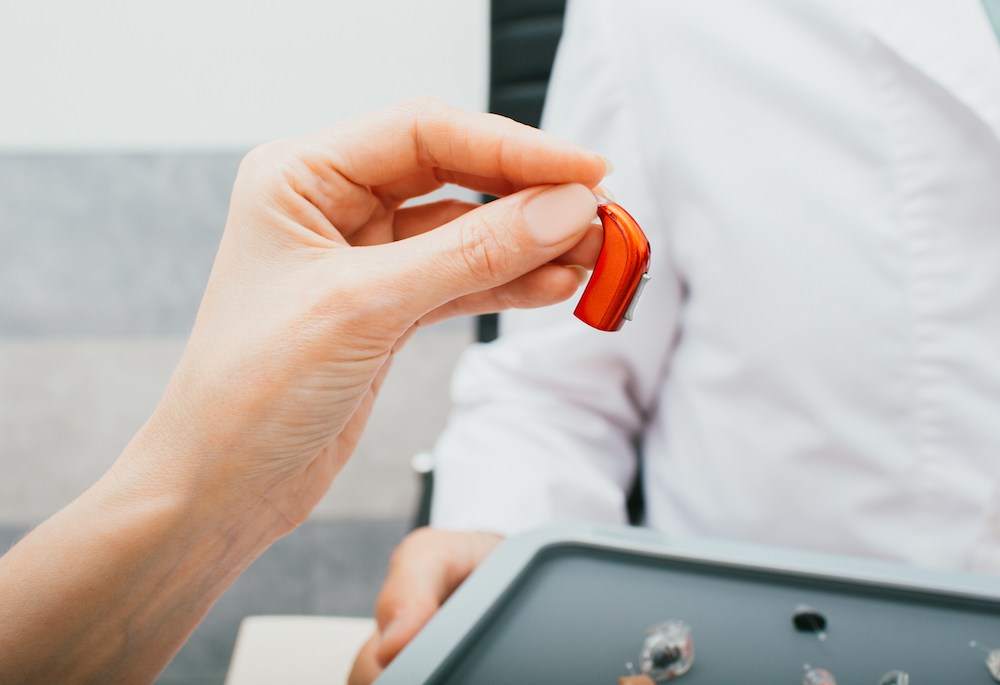
Behind-the-ear and receiver-in-canal models keep most of the device outside the ear, while in-the-ear styles place more of it inside. Ear shape, type of hearing loss and how comfortably you can insert and remove the device all influence which styles are practical choices.
Kids run, climb, play and move through their day without thinking much about what’s sitting on their ears. A device that shifts or rubs can quickly become something they want to take off.
A loose earmold may also let sound escape and create feedback, while one that’s too tight can leave the ear sore. Getting the fit right keeps the device secure without pinching or pressing against the skin.
Fit can change quickly as a child’s ears grow. An earmold that worked well a few months ago may start slipping or feel different by the end of the school year.
Checking the fit regularly lets the audiologist replace or adjust parts as the ear changes. That way, discomfort doesn’t become the reason a child starts leaving the device in a backpack or on a desk.
Color can make a device feel more personal instead of something a child was told to wear. Some kids like bright colors, patterned earmolds or small decorative touches that match their personality.
That choice can give them a sense of ownership, especially when they are old enough to have an opinion about what they wear.
Customization can also be practical. Different colors can help parents, teachers or caregivers tell the left and right devices apart more quickly.
A child may also be more willing to keep track of something they helped choose themselves. For younger kids, that can turn the device into a familiar part of getting dressed rather than something that feels separate from the rest of their day.
First-time users may prefer hearing aid features that reduce how much they need to adjust, remember or handle themselves. Depending on the model, your audiologist may show you options like:
Disposable batteries can be replaced wherever you are, which some families prefer when they’re away from home. For younger children, the battery compartment should be locked so they can’t remove a button battery on their own.
Adults wearing devices for the first time have different things to consider. Tiny batteries and battery doors can be difficult to handle if you have limited movement in your fingers.
Charging avoids that task, while replaceable batteries don’t require access to an outlet or charger. Think about who will handle the devices, where they’ll be used and what you’d do if the power runs out away from home.
Home care is mostly about keeping wax, moisture and debris away from the parts that carry sound. A simple routine can include:
For a child, that may include the classroom, sports or time with friends. For an adult, work meetings, family gatherings or phone calls may matter more.
It also helps to ask what happens after the fitting. Talk about how adjustments are handled, what the trial period includes and what kind of follow-up comes with the device.
You can also ask about warranties, repair coverage and whether future programming changes are included. Those details tell you what ownership will look like after you leave the office, not just what happens on fitting day.
Starting out can take some getting used to because sounds a child hasn’t heard clearly before may seem different at first. Give them room to describe what they’re hearing in their own words, even if they call a sound “funny” or “too big.”
Younger children may do better when putting on their devices becomes part of the same morning routine each day.
Parents can also watch for moments when a child takes them off, touches their ears or mentions that something feels different. Those reactions can tell an audiologist whether the fit or settings need another look.
Choosing a first hearing aid, whether for your child or yourself, means thinking about the person who will wear it. What works well for one new wearer may not suit someone else.
Age, hearing needs and daily routines all influence which options make sense. The fitting matters too, since settings often need some adjustment once the device is being worn regularly.
Getting used to new sounds can take several weeks, so everything doesn’t have to feel familiar on the first day. Clifton Springs Hearing Center can help you sort through those choices based on what you or your child needs.
You can reach us at one of our New York locations in Canandaigua at (585) 919-678, Phelps at (315) 496-4314 or Pittsford at (585) 507-4735. We can schedule an evaluation and explain the options available based on the results.
Tags: hearing aid basics, hearing aid selection tips, hearing aids for children
There’s something about growing up in the Finger Lakes that revolves
By: John R. Salisbury, Au.D | August 24, 2026
Getting fitted for hearing aids is not the finish line. It feels like it
By: John R. Salisbury, Au.D | May 18, 2026

You probably didn’t notice the first time you turned the TV up a
By: John R. Salisbury, Au.D | March 25, 2026